In the early seventies, French endocrinologist Dr J J Legrand, created momentum for French doctors engaged in the aesthetic side of medicine alongside mainstream healthcare. The movement grew into Belgium, Spain and Italy, and to the US and the world into what is today the practice and science of aesthetic medicine.
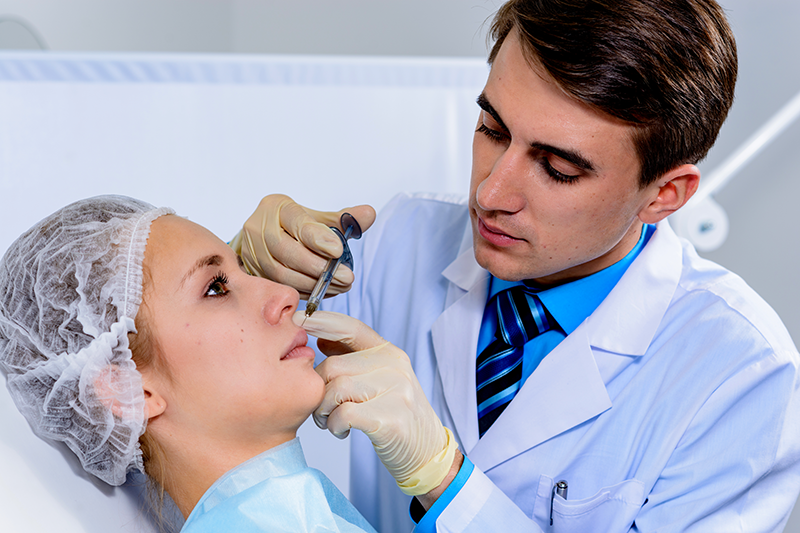
Initially encompassing simple skin care and facial treatment, aesthetic medicine borrowed extensively from mainstream medicine. Fat grafts in orthopedics found new life as compatible long-term fillers to flesh out wrinkles in ageing faces. Chemical peels scrub old cells freeing up fresh ones to glow and grow. Botulinum, a R&D outcome, took off as a popular injection for removing wrinkles and creases.
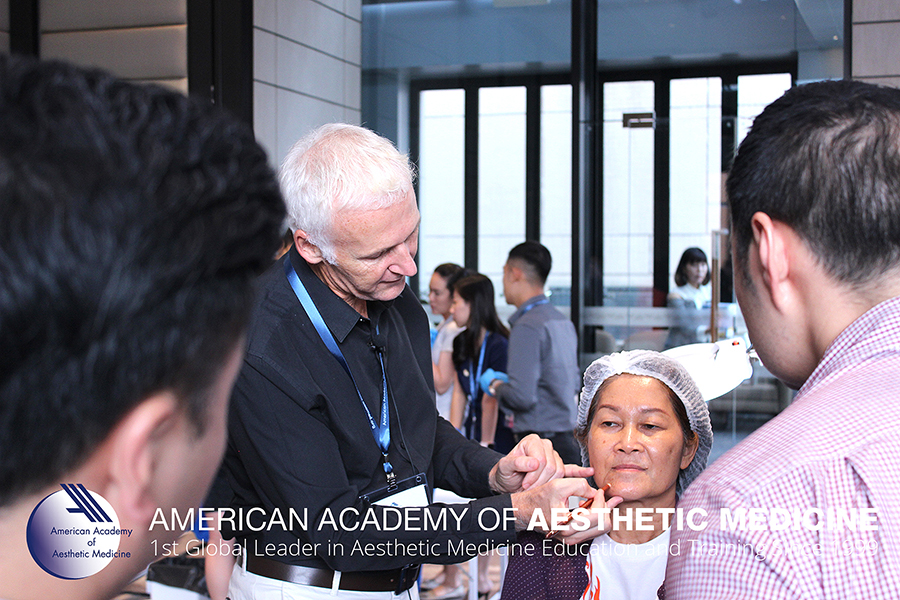
Today, effective aesthetic medicine, as a minimally invasive practice, is based on doctors having a safe and skilled pair of hands leveraging reliable leading edge medical technology in new lasers, chemical peels, fillers and injectables of natural or bio-ingredients. It spans surface treatments by chemical peels and lasers to minimally invasive procedures such as thread-lifts, botulinum type A injections, derma fillers, fat grafts and hair transplants.